
The Maldives Diving Deaths and Why They Hit Home
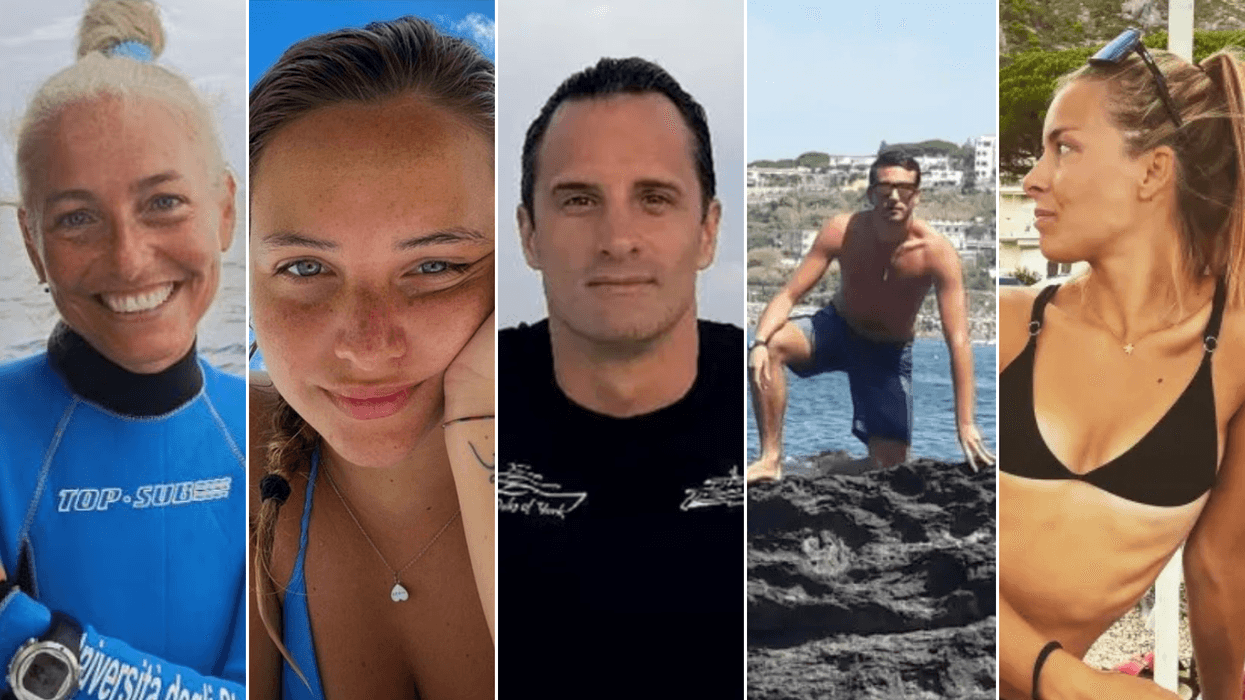
The recent diving deaths in the Maldives have been on my mind a lot.
First of all, I want to be clear that nobody yet knows exactly what happened. There will no doubt be investigations, theories and opinions.
I’m not writing this to speculate on that specific incident.
But from what has been reported so far, and from my own past experiences with deep air diving, some of the psychological patterns being discussed feel very familiar to me.
Especially the dangerous combination of:
- growing confidence
- depth exposure
- group trust
- and narcosis impairing judgement without you fully realising it
When Confidence Starts to Outpace Competence
One of the most dangerous stages in any high-risk discipline is when confidence starts to outpace competence.
Not beginner fear.
The stage after that.
The point where you’ve done enough to feel comfortable, but not enough to fully understand how much risk you’re actually carrying.
I’ve been there myself.
My Experience Diving to 70 Meters on Air
Years ago, when I was young and diving recreationally, we took a divemaster trainee called Crispin out for a deep dive. He was about 18 at the time.
The plan sounded simple enough:
- Crispin would stop at 50 meters and wait on the line
- Gav and I would descend to 70 meters
- We’d check the bottom, return to 50 meters
- Pick him up
- Surface safely
Looking back now, the entire thing was reckless.
At the time, it felt normal.
That’s part of the danger.
What Nitrogen Narcosis Actually Feels Like
Gav and I reached 70 meters heavily narcosed. Euphoric. Slow-thinking. Deeply impaired without truly appreciating it.
I remember staring at my dive computer trying to work out how long we had before mandatory decompression stops.
It felt strangely difficult.
Then I heard a clicking sound.
At first I thought it was dolphins.
Then I realised it was my regulator struggling to deliver enough air at that depth.
I checked my pressure gauge, trying to work out if I still had enough gas.
My brain simplified the situation down to something almost childlike:
“Red is bad. Green is good. I’m somewhere in the middle. Good enough.”
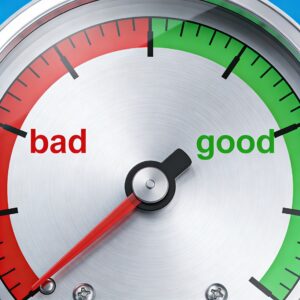
That’s how narcosis can affect your thinking.
Not always panic.
Not always obvious confusion.
Sometimes your brain simply becomes slower, narrower and strangely unconcerned by things that should alarm you.
The Moment Everything Nearly Went Wrong
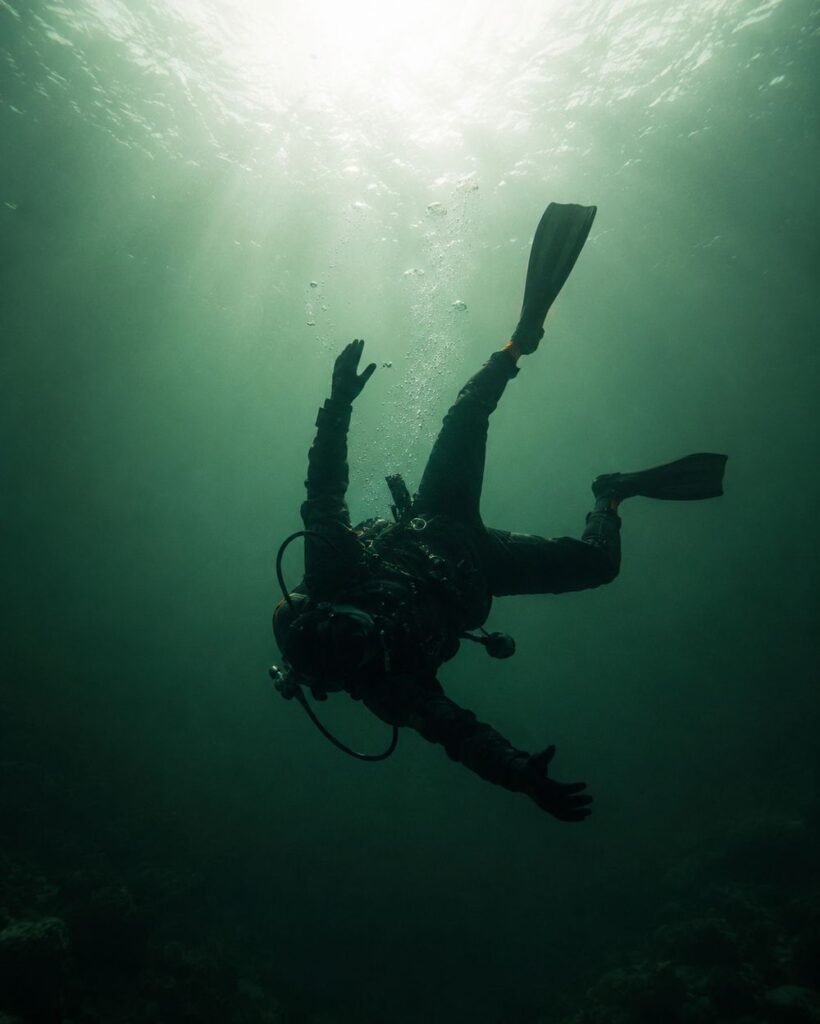
Then I looked up and saw a silhouette drifting down toward us through the blue water.
Arms and legs flailing.
It was Crispin.
He had decided to leave the 50 meter stop and descend slightly deeper to find us.
Just five meters deeper.
But that extra five meters was enough.
At 55 meters he lost motor control completely and sank toward the seabed like a ragdoll, landing in front of us in a cloud of dust.
And the frightening thing?
Gav and I found it hilarious.
That’s what severe narcosis can do. It doesn’t always feel frightening while it’s happening. Sometimes it feels calm. Funny. Euphoric. Entirely manageable.
Then reality cut through the haze.
We were close to our no-decompression limit.
We grabbed Crispin and began ascending immediately. By the time we reached around 50 meters, he regained control.
Had he done that dive alone, I believe he would have died.
How We Demonstrated Narcosis to Diving Students
As instructors, we used to demonstrate narcosis to students during advanced courses using simple cognitive tasks.
On the surface, we’d give divers boards containing shapes, numbers and patterns to identify as quickly as possible.
Then we’d repeat the exact same task at 30 meters.
The difference was always obvious.
People slowed down dramatically. They’d hesitate. Lose track halfway through simple sequences. Miss details they would instantly recognise on land.
And this was happening at depths many recreational divers consider routine.
Oxygen Toxicity Risk at 70 Meters on Air
At 70 meters on air, you are also dealing with another serious issue beyond narcosis:
oxygen toxicity.
At that depth, oxygen partial pressures are entering a range where the risk of central nervous system oxygen toxicity becomes very real.
So now you’re stacking:
- narcosis
- oxygen exposure
- gas consumption
- decompression considerations
- depth
- impaired judgement
- and group psychology
all at the same time.
Deep Diving, Group Psychology and False Confidence
Looking back now with older eyes and better training, we were operating well outside our competence level.
We were young.
Overconfident.
And extremely lucky.
I think one of the reasons deep incidents happen in diving, climbing, aviation and offshore work is because humans are very bad at recognising when confidence has quietly overtaken competence.
Especially when everyone in the group appears calm and comfortable.
The Most Dangerous Part of Narcosis
The frightening thing about narcosis is that most people don’t realise how impaired they are while it’s happening.
They feel normal.
And sometimes, that’s exactly when they’re at their most dangerous.
What do you think?
If you’ve experienced narcosis yourself, worked in deep diving, or seen confidence quietly overtake judgement in high-risk environments, I’d be interested to hear your perspective.
A lot of these lessons are only truly understood after close calls, mistakes, or years of experience.
You can join the discussion inside the free Beyond the Surface community, where divers, offshore workers and inspectors share real-world experiences from the industry.
Stay curious. Dive within your limits.